






Introduction
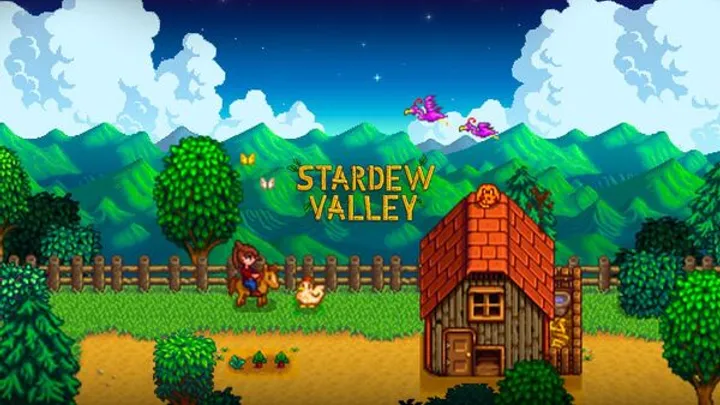
Stardew Valley is widely considered one of the greatest farming simulation games ever created. Developed by ConcernedApe, the game combines farming, exploration, mining, fishing, crafting, relationship building, and long-term progression into a deeply rewarding experience. What begins as a simple attempt to restore an abandoned farm quickly evolves into a complex journey filled with strategic decisions, financial management, and personal creativity.
Many new players initially believe Stardew Valley is only about planting crops and earning money. However, experienced players understand that success depends on balancing time, energy, seasonal planning, relationships, upgrades, and long-term efficiency. Poor planning during the early stages can slow progression significantly, while smart preparation creates a much smoother and more profitable experience.
This guide explores advanced tips and practical strategies for building a successful farm in Stardew Valley. From early-game survival to long-term optimization, these techniques will help players create an efficient, profitable, and enjoyable farming life.
Choose the Right Farm Layout From the Beginning
Your Farm Type Shapes Your Experience
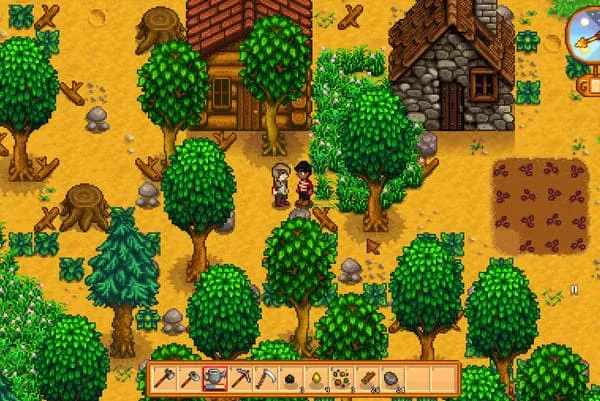
One of the first major decisions in Stardew Valley is selecting a farm layout. Many players choose randomly without understanding how dramatically the farm type affects gameplay.
Each farm specializes in different activities and changes how resources are gathered and organized.
Match the Farm to Your Playstyle
Choosing a farm that complements your preferred activities creates a smoother experience.
Common Farm Types
- Standard Farm for maximum farming space
- Forest Farm for renewable hardwood
- Riverland Farm for fishing-focused gameplay
- Hill-top Farm for mining resources
- Four Corners Farm for multiplayer organization
- Wilderness Farm for combat-oriented players
The right layout reduces frustration and improves long-term efficiency.
Prioritize Energy Management Early
Energy Is Your Most Important Resource
During the first seasons, players are heavily limited by stamina. Many beginners waste energy inefficiently and end the day with little progress.
Every action in Stardew Valley consumes energy, including chopping wood, watering crops, mining, and fishing.
Avoid Early Burnout
Efficient energy usage allows more productivity and faster progression.
Early-Game Energy Tips
- Avoid overplanting crops
- Eat foraged foods
- Upgrade tools gradually
- Use rainy days efficiently
- Save high-energy foods for mining trips
Smart stamina management dramatically improves the first year.
Build a Strong Seasonal Farming Strategy
Every Season Requires Different Planning
Stardew Valley’s calendar system creates changing priorities throughout the year. Crops, fish, forage items, and festivals all vary by season.
Players who fail to plan ahead often lose large amounts of profit potential.
Focus on Crop Efficiency
Not all crops provide equal value.
Strong Seasonal Crops
Spring
- Strawberries
- Cauliflower
- Potatoes
Summer
- Blueberries
- Melons
- Starfruit
Fall
- Cranberries
- Pumpkins
- Grapes
Understanding crop profitability creates steady financial growth.
Upgrade Tools in the Correct Order
Tool Upgrades Save Massive Time
Many new players delay upgrading tools because they dislike temporary downtime. However, upgraded tools significantly improve efficiency.
The correct upgrade order depends on your current priorities.
Prioritize Based on Progression Stage
Some upgrades provide more immediate value than others.
Recommended Upgrade Priority
- Watering Can
- Pickaxe
- Axe
- Hoe
- Trash Can
Efficient tools reduce energy consumption and increase daily productivity.
Learn How to Mine Efficiently
Mining Unlocks Major Progression
The mines contain critical resources needed for crafting, upgrades, sprinklers, and progression systems.
However, many players approach mining inefficiently and waste entire days with little reward.
Focus on Specific Goals
Entering the mines without a clear objective often leads to poor results.
Important Mining Goals
- Reach elevator checkpoints
- Collect copper, iron, and gold
- Find geodes
- Gather coal efficiently
- Unlock rare minerals
Structured mining runs improve both profits and progression speed.
Master Sprinkler Automation
Manual Watering Becomes a Problem
One of the largest early-game limitations is time spent watering crops manually every morning.
Automation transforms the entire pacing of the game.
Quality Sprinklers Change Everything
Quality Sprinklers are one of the most important progression milestones.
Benefits of Sprinkler Systems
- Save daily energy
- Increase farming scale
- Create time for mining
- Improve flexibility
- Reduce repetitive tasks
Efficient sprinkler layouts dramatically increase long-term profitability.
Build Relationships With Villagers Strategically
Friendship Unlocks Valuable Rewards
Villagers are not just decorative NPCs. Strong relationships unlock recipes, events, gifts, and story content.
Many players ignore social systems early and miss useful progression benefits.
Learn Gift Preferences
Giving loved gifts accelerates friendship growth significantly.
Strong Friendship Habits
- Speak daily
- Carry useful gifts
- Attend festivals
- Complete quests
- Remember birthdays
Relationships add emotional depth and practical rewards.
Diversify Income Sources
Farming Alone Is Not Enough
Although crops generate major income, relying exclusively on farming can slow progression during certain seasons.
Diversification creates financial stability.
Multiple Profits Create Flexibility
Different activities become valuable at different stages of the game.
Strong Income Sources
- Fishing
- Artisan goods
- Animal products
- Mining resources
- Wine production
- Truffle farming
Balanced income systems create long-term financial security.
Organize Your Farm for Efficiency
Poor Layouts Waste Time
Many players place buildings and storage randomly during the early game. Later, these layouts become inconvenient and inefficient.
Farm organization significantly affects daily productivity.
Design Around Workflow
Your farm should support efficient movement between activities.
Useful Farm Zones
- Crop fields
- Animal barns
- Storage areas
- Artisan processing sections
- Tree farms
- Decorative relaxation spaces
Functional layouts reduce unnecessary travel time.
Avoid Burnout and Enjoy Long-Term Progression
Stardew Valley Is Designed for Relaxation
Some players become obsessed with optimization and accidentally remove the relaxing atmosphere that makes Stardew Valley special.
Trying to maximize every single day can create unnecessary stress.
Progress at Your Own Pace
There is no strict deadline for success.
Healthy Long-Term Habits
- Experiment creatively
- Ignore perfection pressure
- Take seasonal breaks
- Enjoy festivals
- Focus on personal goals
The best farms often evolve naturally rather than through constant optimization.
Conclusion
Stardew Valley offers far more depth than a simple farming simulator. Beneath its peaceful appearance lies a complex system of planning, resource management, relationship building, exploration, automation, and long-term progression. Players who approach the game strategically often enjoy a smoother and more rewarding experience over time.
From selecting the right farm layout and managing energy carefully to mastering crop planning, mining efficiency, automation, and villager relationships, every decision shapes the future of the farm. Diversified income sources, organized layouts, and thoughtful seasonal preparation further improve productivity and enjoyment.
Perhaps the most important lesson is that Stardew Valley is ultimately about balance. Efficiency and optimization can improve progression, but the game’s true charm comes from creating a peaceful and personal farming life that reflects the player’s own style and priorities.
By following the strategies outlined in this guide, players can build farms that are not only profitable and efficient but also immersive, relaxing, and enjoyable for hundreds of hours.q